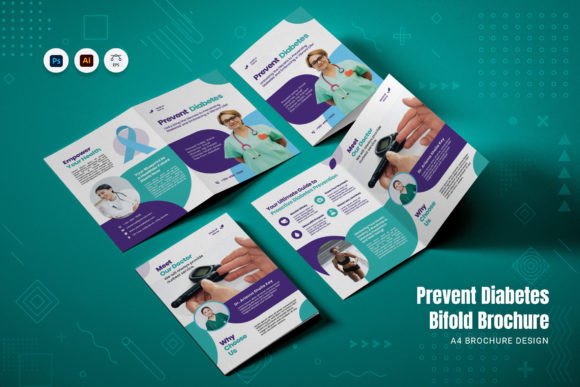
Prevent Diabetes Bifold Brochure: A Practical Design Resource for Health Communication
Communicating complex health information effectively is one of the toughest challenges in public wellness and medical marketing. When it comes to chronic conditions like type 2 diabetes, the gap between knowing what to do and actually doing it is often bridged by clear, accessible education. This is where a well-designed Prevent Diabetes Bifold Brochure becomes an invaluable asset. It is not merely a piece of paper; it is a strategic tool that condenses vital lifestyle advice, risk factors, and preventive measures into a format that is easy to digest, share, and keep.
For healthcare providers, community organizers, and wellness coaches, having a template that is both visually appealing and technically robust can save hours of design work while ensuring professional results. The value lies in the ability to customize a ready-made structure that adheres to print standards, allowing you to focus on the message rather than the mechanics of layout design.
Bridging the Gap Between Medical Advice and Patient Action
The primary strength of a bifold brochure is its simplicity. Unlike a tri-fold, which can feel cluttered with too many panels, or a multi-page booklet, which may seem daunting to read, a bifold offers four clean pages of real estate. This format is ideal for presenting a narrative flow: introducing the problem, explaining the risks, offering actionable solutions, and providing resources for further help.
In real-world scenarios, this format shines in high-traffic environments. Imagine a busy primary care clinic waiting room. Patients are often anxious and distracted. A Prevent Diabetes Bifold Brochure placed on the coffee table needs to grab attention immediately with a clean, modern layout. Because the template uses stylish web-inspired design principles, it feels current and trustworthy rather than outdated or institutional. The use of free fonts ensures that the typography remains legible and consistent, which is crucial for older adults who may be at higher risk for diabetes and might struggle with small or decorative text.
Versatility Across Industries and Audiences
While the core subject is diabetes prevention, the application of this template extends far beyond traditional medical offices. Different industries can leverage this resource to meet specific audience needs.
- Corporate Wellness Programs: Human resources departments often struggle to engage employees in health initiatives. A professionally designed brochure can be part of a "Health Week" kit, offering quick tips on desk exercises, healthy snacking, and stress management. The fully layered files allow HR teams to swap out generic images for photos of their own workplace, making the content feel personalized and relevant.
- Gym and Fitness Centers: Personal trainers frequently discuss nutrition and metabolic health with clients. Having a branded Prevent Diabetes Bifold Brochure to hand out after a consultation adds value to the service. It reinforces the trainer’s expertise and gives clients a tangible takeaway to reference when they are grocery shopping or meal prepping at home.
- Community Health Fairs: Non-profits and local government agencies often operate with limited budgets. The fact that this template uses free fonts and is easy to edit means that volunteer coordinators with basic design skills can produce high-quality materials without hiring expensive graphic designers. The CMYK 300 DPI specification ensures that when these brochures are printed in bulk, the colors remain vibrant and the text sharp, maintaining credibility.
Technical Advantages for Non-Designers
One of the most significant barriers to creating effective print materials is the technical complexity of design software. Many templates claim to be editable but require advanced knowledge of Adobe Illustrator or InDesign. This particular template addresses that pain point by being fully layered and well-organized. For someone who understands the basics of dragging and dropping elements, the experience is smooth.
The inclusion of both AI (Adobe Illustrator) and INDD (Adobe InDesign) files provides flexibility. If you are more comfortable with vector-based editing for logo placement and icon adjustments, Illustrator is the way to go. If you are dealing with heavier text blocks and paragraph styles, InDesign offers superior control over typography. The built-in paragraph styles mean that you can change the font size or color of all body text with a single click, ensuring consistency throughout the document. This is a critical feature when you need to update statistics or modify advice based on new medical guidelines.
Furthermore, the bleed included feature is often overlooked by beginners but is essential for professional printing. Bleed ensures that your background colors or images extend to the very edge of the paper after trimming, avoiding those unprofessional white borders that can make a brochure look amateurish. Knowing that the file is print-ready at A4 size removes the guesswork from the production process.
Strategic Content Placement for Maximum Impact
When using this template, it is important to think strategically about how users interact with a physical object. The front cover should not just state "Prevent Diabetes." It should evoke an emotion or a benefit, such as "Take Control of Your Health Today" or "Simple Steps to a Stronger Future." The interior spreads should balance text with image placeholders. Visuals are processed faster than text, so using high-quality images of fresh food, active people, or happy families can reinforce the positive aspects of prevention rather than focusing solely on the fear of disease.
The back panel is prime real estate for calls to action. This is where you include contact information, QR codes linking to online resources, or details about upcoming screening events. Because the template is super easy to edit, you can quickly update these details as campaigns change. For digital marketers, this physical brochure can also serve as a lead magnet. You can offer a downloadable PDF version on your website, using the same design assets to maintain brand consistency across digital and physical touchpoints.
Considerations Before Customization
While the template provides a strong foundation, it is not a substitute for accurate medical information. Before finalizing your Prevent Diabetes Bifold Brochure, ensure that all health claims are reviewed by a qualified medical professional. Guidelines for diet and exercise can vary based on regional recommendations and individual health conditions. Including a disclaimer is also a prudent step to protect your organization.
Additionally, consider your printing method. While the file is set up for professional offset printing, many small organizations use digital printers. Always request a proof print to check color accuracy, especially since screens display colors in RGB while printers use CMYK. Some bright colors on screen may appear duller in print, so adjusting saturation levels may be necessary to achieve the desired visual impact.
Ultimately, the goal of using this template is to reduce friction in the creation process so that you can focus on what matters most: helping people understand how to prevent diabetes. By combining a clean, modern layout with accurate, empathetic content, you create a resource that not only informs but also inspires action. Whether you are a seasoned designer looking to speed up your workflow or a health educator with limited design experience, this tool offers the structure and flexibility needed to communicate effectively in a crowded information landscape.