Mastering the Real Estate Bifold Brochure for High-Impact Property Marketing
In the competitive landscape of property sales, first impressions are not just important; they are decisive. While digital marketing channels have grown exponentially, tangible marketing materials retain a unique psychological weight. Among these, the Real Estate Bifold Brochure stands out as a versatile and effective tool for agents and developers alike. This format strikes a delicate balance between providing substantial information and maintaining visual appeal, ensuring that potential buyers remain engaged from the cover to the final call to action.
Creating a compelling brochure requires more than just inserting photos into a template. It demands an understanding of design principles, print specifications, and user experience. Whether you are a seasoned real estate professional or a newcomer looking to establish a brand presence, understanding the mechanics behind a high-quality bifold can significantly elevate your marketing efforts. The ability to customize elements, utilize layered files, and ensure print readiness are critical components that separate amateur handouts from professional marketing assets.
The Strategic Advantage of the Bifold Format
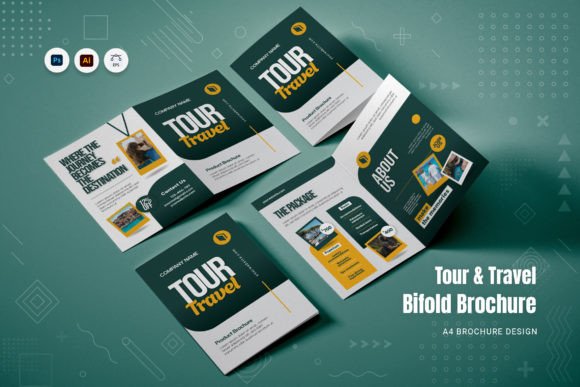
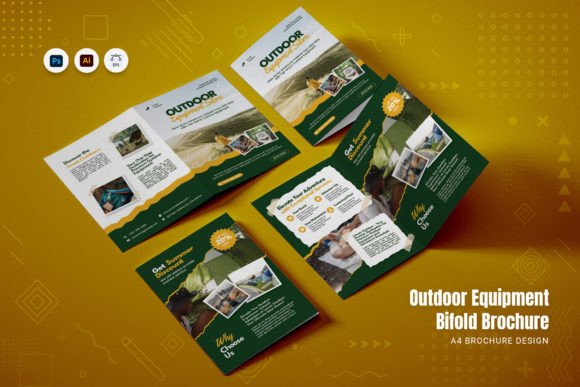
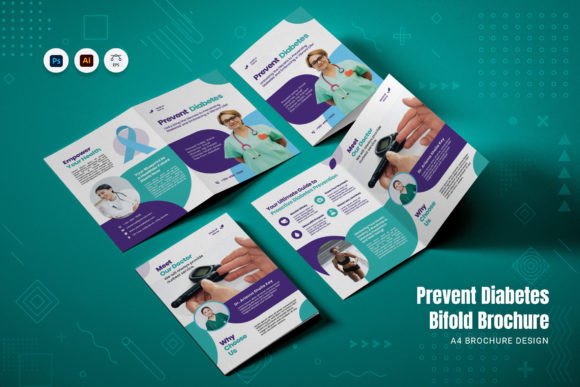
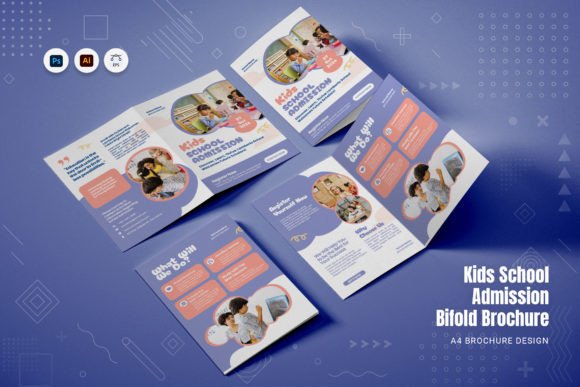
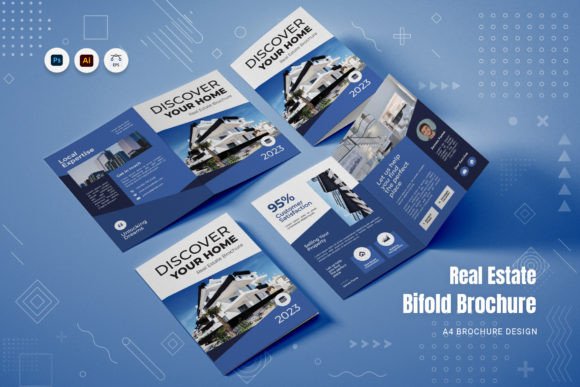
The bifold design, created by folding a single sheet of paper in half, creates four distinct panels. This structure offers a logical flow of information that guides the reader naturally. Unlike tri-folds, which can sometimes feel cluttered due to narrow columns, the bifold provides wider canvas space for high-resolution imagery and detailed property descriptions. This makes it particularly suitable for showcasing luxury homes, commercial spaces, or new developments where visual grandeur is a key selling point.
One of the primary benefits of using a well-structured Real Estate Bifold Brochure is its versatility. It serves both educational and promotional purposes. For investors, it can outline market trends and ROI projections. For homebuyers, it can highlight neighborhood amenities, floor plans, and interior features. The format allows for a creative narrative that builds anticipation. The front cover acts as the hook, the inside spread delivers the core value proposition, and the back panel provides essential contact information and next steps.
Furthermore, the tactile nature of a printed brochure creates a lasting physical connection with the brand. In an era of digital fatigue, holding a high-quality, professionally printed piece can make a property feel more real and attainable. When designed with precision, using clean layouts and modern typography, the brochure becomes a keepsake rather than discarded junk mail. This longevity increases the likelihood of referral and repeated viewings.
Technical Specifications for Professional Print Quality
To achieve a polished look, attention to technical details is non-negotiable. A professional-grade template typically adheres to strict industry standards. The most common specification is A4 Paper Size, which offers ample room for content while remaining easy to handle and distribute. However, the dimensions are only the beginning. The color mode must be set to CMYK (Cyan, Magenta, Yellow, Key/Black) rather than RGB, ensuring that the colors seen on screen match the final printed product accurately.
Resolution is another critical factor. Images must be at least 300 DPI (dots per inch) to prevent pixelation. Blurry images can undermine the perceived value of a property, suggesting neglect or low quality. A fully print-ready file includes bleed areas, which extend the design slightly beyond the cut line. This ensures that when the paper is trimmed, there are no unsightly white edges. Templates that come with bleed included save designers significant time and reduce the risk of printing errors.
Organization within the design file is equally important. A well-organized template features fully layered files, allowing users to toggle visibility of different elements. This layering system enables easy customization without disrupting the overall layout. Whether you are using Adobe Illustrator or Adobe InDesign, having separate layers for text, images, backgrounds, and guides streamlines the editing process. It allows for quick swaps of property photos and updates to textual information, making the template reusable for multiple listings.
Customization and Ease of Use
The modern real estate agent often wears many hats, including that of a marketer. Therefore, tools that simplify the design process are invaluable. A high-quality Real Estate Bifold Brochure template is designed with ease of use in mind. It utilizes paragraph styles and character styles, which ensure consistency in typography throughout the document. Changing a font size or color in one place automatically updates it everywhere, maintaining a cohesive brand identity.
Another significant advantage is the use of free fonts. Many premium templates rely on expensive licensed fonts, which can create barriers for users. By incorporating built-in free fonts, these templates ensure that the design remains accessible to everyone. Users can download and install the necessary fonts without additional cost, ensuring that the visual integrity of the brochure is preserved across different systems.
The inclusion of image placeholders further simplifies the workflow. These placeholders act as frames where users can drag and drop their own photographs. The template automatically adjusts the image to fit the designated space, maintaining aspect ratios and alignment. This feature is particularly useful for agents who need to produce brochures quickly for new listings. The ability to modify mockup elements anytime means that the design can evolve with changing market trends or specific client requests.
Essential File Formats and Compatibility
Flexibility in file formats ensures that the template can be used by a wide range of professionals. The main files typically included are Ai (Adobe Illustrator) and INDD (Adobe InDesign). Illustrator is ideal for vector-based designs, allowing for infinite scalability of logos and icons without loss of quality. InDesign, on the other hand, is the industry standard for multi-page layouts and text-heavy documents, offering superior control over typography and page management.
Alongside these primary files, a comprehensive package often includes a Readme.txt file. This document provides crucial instructions on how to use the template, including font installation guides, layer explanations, and printing tips. It serves as a quick reference manual, helping users avoid common pitfalls and maximize the potential of the design. For those who may not have access to Adobe software, some templates also offer PDF versions with editable fields, although the level of customization may be limited compared to the native files.
The clean and modern layout of these templates is not just an aesthetic choice; it is a functional one. A clutter-free design ensures that the focus remains on the property. White space is used strategically to give the eyes a rest and to highlight key information. Paragraph styles help in organizing content hierarchically, making it easy for readers to scan for important details such as price, square footage, and number of bedrooms.
Implementing the Brochure in Your Marketing Strategy
Once the Real Estate Bifold Brochure is designed and printed, its deployment should be strategic. It is not merely a handout but a conversation starter. During open houses, placing these brochures in visible locations invites visitors to take them home, extending the life of the viewing experience. They can also be included in direct mail campaigns targeting specific neighborhoods, offering a tangible touchpoint in a digital world.
Digital integration is also possible. High-resolution scans of the brochure can be shared on social media platforms or embedded in email newsletters. This hybrid approach ensures that the message reaches both traditional and tech-savvy audiences. The consistent branding across physical and digital channels reinforces brand recognition and trust. Moreover, the professional appearance of the brochure reflects positively on the agent, signaling attention to detail and commitment to quality service.
For educators and researchers in the field of marketing, analyzing the effectiveness of different brochure designs can provide valuable insights. Tracking response rates from distributed brochures can help refine future designs. Understanding which elements resonate most with potential buyers—whether it is the floor plan, the neighborhood map, or the lifestyle imagery—can inform more targeted marketing strategies. The adaptability of the bifold format allows for continuous experimentation and optimization.
In conclusion, the Real Estate Bifold Brochure remains a powerful tool in the real estate marketing toolkit. Its combination of visual appeal, informational depth, and tactile presence makes it an effective medium for connecting with potential buyers. By leveraging high-quality templates that are easy to customize and print-ready, agents can create professional materials that stand out in a crowded market. The key lies in understanding the technical requirements, utilizing the design features effectively, and integrating the brochure into a broader marketing strategy. With the right approach, a simple folded sheet of paper can become a catalyst for successful property transactions.