Tulip Flowers Wood Texture Patterns: A Strategic Asset for Visual Branding
In the crowded landscape of digital and print media, visual consistency is not merely an aesthetic preference; it is a critical component of brand recognition and user trust. Designers, marketers, and business owners constantly seek assets that bridge the gap between organic warmth and professional polish. This is where Tulip Flowers Wood Texture Patterns emerge as a strategic resource. By merging the rustic, grounded appeal of wood grains with the delicate, sophisticated lines of tulip florals, this collection offers more than just decorative backgrounds. It provides a versatile visual language that can enhance communication, support branding goals, and elevate the perceived value of your creative projects.
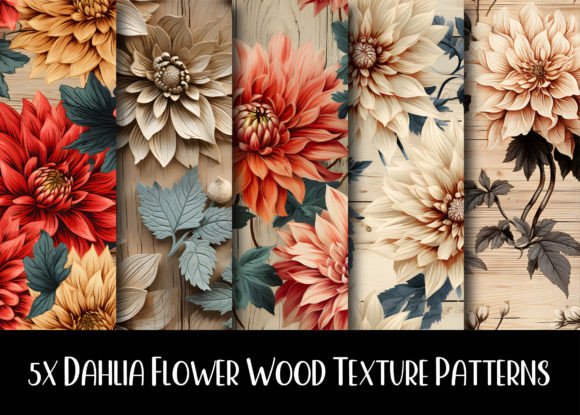
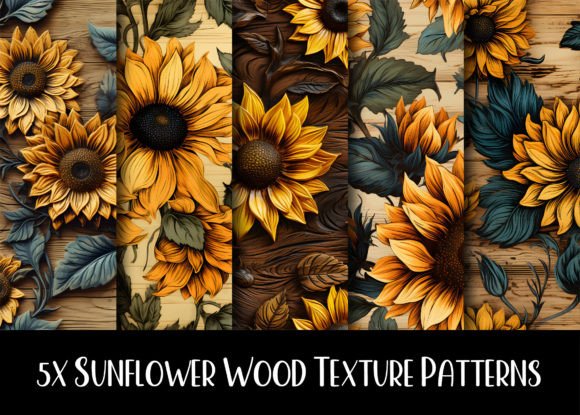
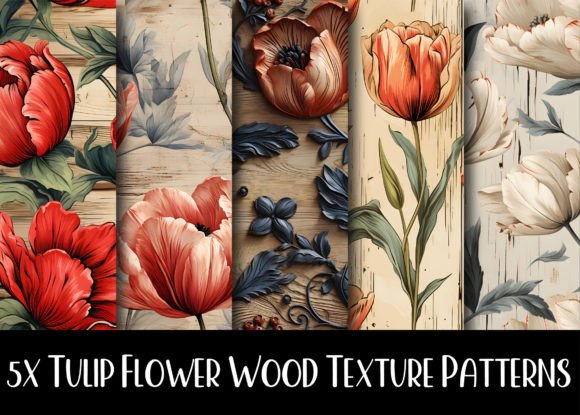
The collection includes five high-quality patterns, each rendered at 4096x4096 pixels in JPG format. This resolution ensures that the intricate details remain sharp whether applied to a large-format print or a high-density digital display. However, the true value lies not in the pixel count, but in how these textures can be intentionally deployed to solve specific design challenges.
The Psychology of Natural Textures in Professional Design
Before integrating any new asset into your workflow, it is essential to understand its psychological impact. Wood textures evoke stability, tradition, and reliability. They are often associated with craftsmanship and longevity. Tulips, conversely, symbolize renewal, elegance, and gentle strength. When combined, Tulip Flowers Wood Texture Patterns create a nuanced emotional response: they feel established yet fresh, sturdy yet approachable.
For entrepreneurs and small business owners, this duality is powerful. A financial consultant might use these patterns to soften the rigidity of traditional corporate imagery, making their services feel more accessible without sacrificing authority. Similarly, a wellness brand can leverage the organic elements to reinforce messages of natural health and balance. The key is alignment. You must ask whether the "rustic charm" aligns with your brand’s core values. If your brand identity is ultra-modern, minimalist, or industrial, these patterns may clash rather than complement. Strategic design requires knowing when to say no, even to beautiful assets.
Practical Applications Across Media Channels
The versatility of the Tulip Flowers Wood Texture Patterns allows for broad application, but random usage leads to diluted impact. Instead, consider these targeted use cases where the texture adds tangible value to your communication strategy.
Digital Presence and Web Design
In web design, background textures can reduce the sterility of white space without overwhelming the content. Using these patterns as subtle overlays on hero sections or footer areas can create a warm, welcoming atmosphere. Because the files are high-resolution, you can crop specific sections to highlight either the wood grain or the floral detail, depending on the mood of the page. For instance, a landing page focused on sustainability might emphasize the wood element, while a page promoting spring services might highlight the tulips. Always ensure that text placed over these patterns has sufficient contrast. Use semi-transparent overlays if necessary to maintain readability, prioritizing user experience over decorative flair.
Print Materials and Tangible Branding
Print media benefits significantly from texture because it engages the sense of touch, even visually. Business cards, invitations, and flyers printed on high-quality stock with these patterns can convey a sense of premium quality. The 4096x4096px resolution ensures that when scaled down for business cards, the details remain crisp, avoiding the pixelation that plagues lower-quality assets. For event planners, using these patterns on wedding invitations or corporate gala programs can set a tone of elegant sophistication. The tactile implication of wood grain suggests durability and care, subtly reinforcing the importance of the event or the professionalism of the sender.
Social Media and Content Marketing
Social media feeds are often chaotic. A consistent visual theme helps your content stand out and become instantly recognizable. Use the Tulip Flowers Wood Texture Patterns as a consistent background for quote graphics, product announcements, or educational carousels. By maintaining a uniform backdrop, you create a cohesive grid that encourages users to follow your account for the aesthetic experience as well as the content. However, avoid using the pattern on every single post, as this can lead to visual fatigue. Rotate these textures with solid colors or photography to keep the feed dynamic.
Strategic Implementation: Planning for Long-Term Value
Acquiring design assets is easy; integrating them effectively requires planning. To maximize the return on investment for this collection, consider the following strategic steps:
- Audit Your Current Brand Assets: Before applying the new patterns, review your existing color palette and typography. Do the earthy tones of the wood and the soft hues of the tulips complement your current brand colors? If not, you may need to adjust your secondary color palette to harmonize with the textures.
- Define Usage Guidelines: Create a simple style guide for your team. Specify which of the five patterns is appropriate for formal communications versus casual social media posts. Define opacity levels and overlay colors to ensure consistency across different designers and platforms.
- Test for Accessibility: Always test your designs against accessibility standards. Ensure that text placed over the Tulip Flowers Wood Texture Patterns meets WCAG contrast ratios. What looks beautiful on a designer’s monitor may be unreadable on a mobile device in bright sunlight.
- Consider the Medium: Remember that JPGs do not support transparency. If you need to layer these patterns over other images or complex backgrounds, you will need to use blending modes in your design software. Plan your workflow accordingly to avoid extra editing time.
Risks of Unintentional Design Choices
While these patterns are high-quality, relying on them without clear intent can backfire. The primary risk is visual clutter. The intricate details of the wood grain and floral elements can compete with foreground content if not managed carefully. If your message is complex, a busy background can distract the viewer and reduce comprehension. In such cases, simplicity is superior. Use the patterns sparingly, perhaps as borders or accent elements, rather than full-page backgrounds.
Another risk is brand dissonance. If your brand voice is strictly corporate, technical, or avant-garde, the rustic and floral nature of these textures may confuse your audience. Consistency builds trust; inconsistency erodes it. Ensure that the emotional tone of the texture matches the verbal tone of your copy. If your writing is direct and data-driven, a soft, organic background may send mixed signals.
Making the Decision: Is This Right for Your Project?
Ultimately, the decision to use Tulip Flowers Wood Texture Patterns should be driven by your specific goals. Ask yourself:
- Does my target audience respond well to natural, organic aesthetics?
- Do I need to soften a professional image to make it more approachable?
- Am I looking to create a sense of warmth and hospitality in my digital or physical spaces?
If the answer is yes, these patterns offer a cost-effective way to elevate your design quality. They eliminate the need for custom photography or expensive licensing deals while providing unique, high-resolution assets that are ready for immediate use. The five distinct patterns allow for variation within consistency, preventing your design from becoming monotonous.
In conclusion, Tulip Flowers Wood Texture Patterns are more than just digital files; they are tools for strategic communication. When used with intention, they can enhance brand perception, improve user engagement, and add a layer of sophistication to your creative output. By understanding the psychology behind the textures, planning their application, and avoiding common pitfalls, you can leverage these assets to achieve better results in your marketing, branding, and design efforts. The possibilities are indeed endless, but only when guided by a clear vision and a disciplined approach to design.